
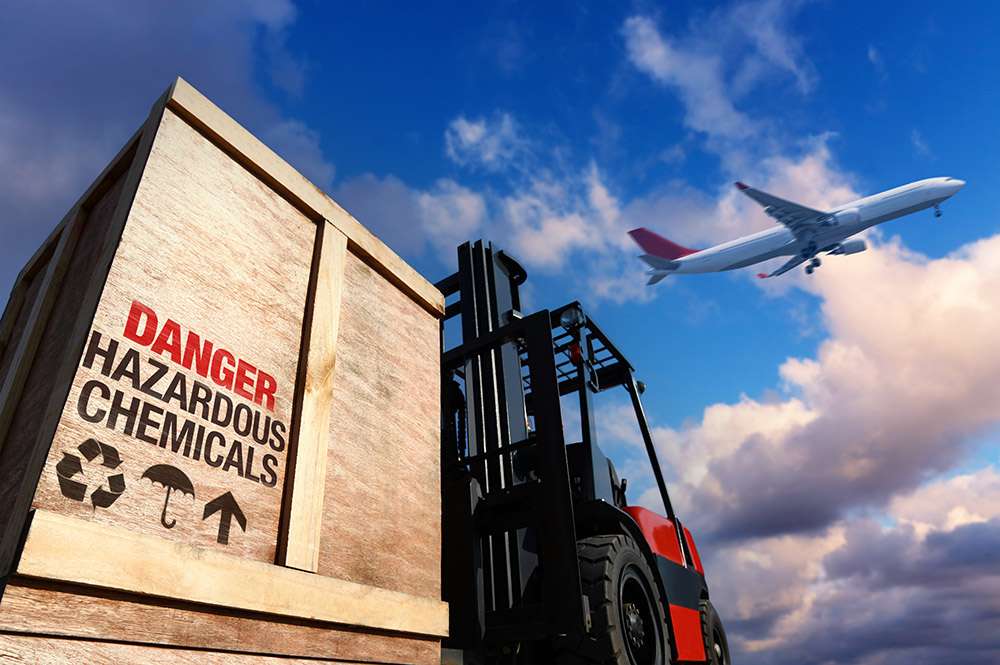
Unmannedairpsaceinfo.com reports that the Helsinki City Council uses drones to transport medical supplies. The project involves the delivery of masks, disinfectants, and similar goods by unmanned aerial vehicles. The project is still experimental, but plans include the delivery of various blood samples. However, the latter may already be included in the scope of the transport of dangerous goods, which also requires special permits.
According to current EU regulations, the transport of dangerous goods is generally classified as a category requiring certification, but – as shown by the example of other operators carrying out such operations – under certain conditions, the transport of dangerous goods can also be carried out in the special category.
There are three main conditions for the transport of dangerous goods:
– properly trained personnel;
– appropriate packaging;
– risk analysis and risk reduction.
According to the relevant ICAO (International Civil Aviation Organization) recommendation, the training of personnel must be provided in a competency-based, but proportionate training system adapted to the actual activity performed, and refresher training and examinations must be organized at least every two years. The operator must also ensure that the emergency response plan (ERP) and the training on it include the management of emergencies related to dangerous goods.
Regarding packaging, it is also worth considering the ICAO recommendations, as the AMC only stipulates that the container containing dangerous goods must be crash-protected, i.e., it must be so resistant that even if the drone falls from the highest flight altitude, it prevents the dangerous substance from leakaegeescaping into the environment.
In addition, the operator must present a risk analysis (which is not SORA) regarding the risks associated with the transport of dangerous goods that have been identified and how they intend to manage and reduce them (e.g., flying over less populated areas, transporting smaller quantities, or being equipped with a parachute, etc.).
In addition to infectious blood and tissue samples, the transport of dangerous goods may also include the transport of, e.g., batteries, cells, or devices equipped with batteries, so home delivery companies must also take this into account. At the same time, drones can save a lot of time in addition to overloaded surface infrastructures, so, e.g. these aircraft may play a significant role in healthcare transport in the future.