
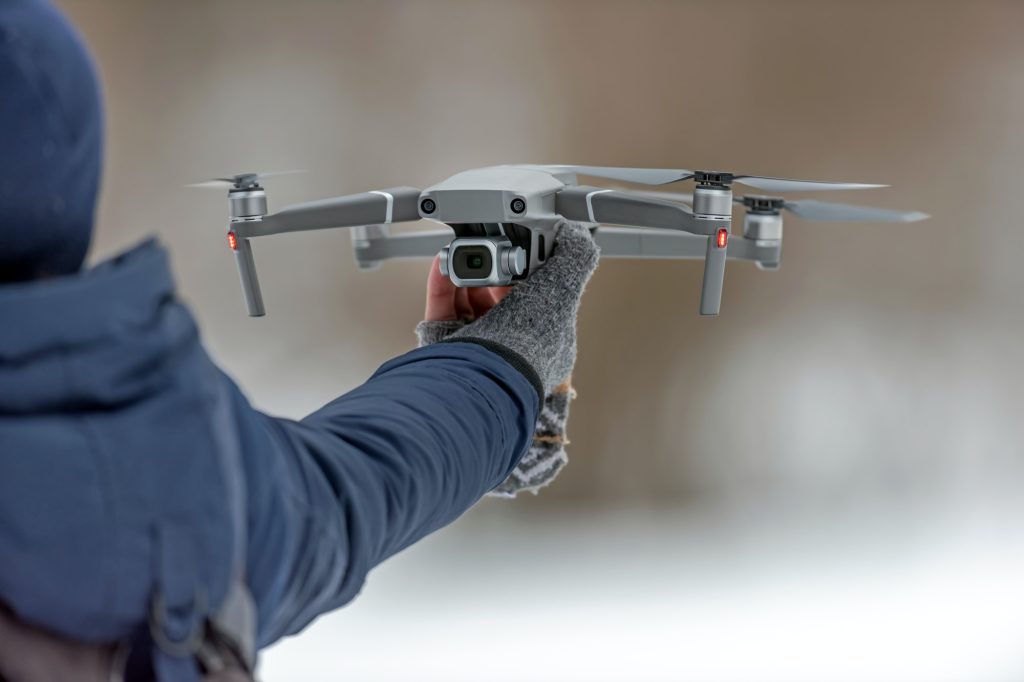
Artificial intelligence, like drones, has become a part of everyday life, as has the fact that aviation generates an extraordinary amount of data. Given that one of the great advantages of artificial intelligence is its ability to recognize patterns in large amounts of data, the question arises as to how the capabilities of artificial intelligence (AI) could be put to the service of aviation safety.
A significant part of the aforementioned data is generated after flights, not during them. This includes all data and information found in a report (even an internal report) following an accident or incident.
It is important for operators, particularly for LUC holders, to develop appropriate reporting procedures, but reporting alone is not enough. The data content of such reports greatly influences the usefulness of the reports for future improvements in aviation safety: they also help prevent the events and accidents described in them.
That’s why it’s important to process and compare reports with incident and accident counts. In a study published this year, the University of Arkansas used NASA data to analyze drone accident and incident reports using AI. The goal of the study was to more accurately identify the reasons behind the reports, and thereby better understand the flight-safety risks posed by drones. However, the study also contributed to the development of remote pilot training programs, showing that AI and drones have many points of connection and that using both technologies together is beneficial not only for operational planning but also for the broader field of flight safety.